


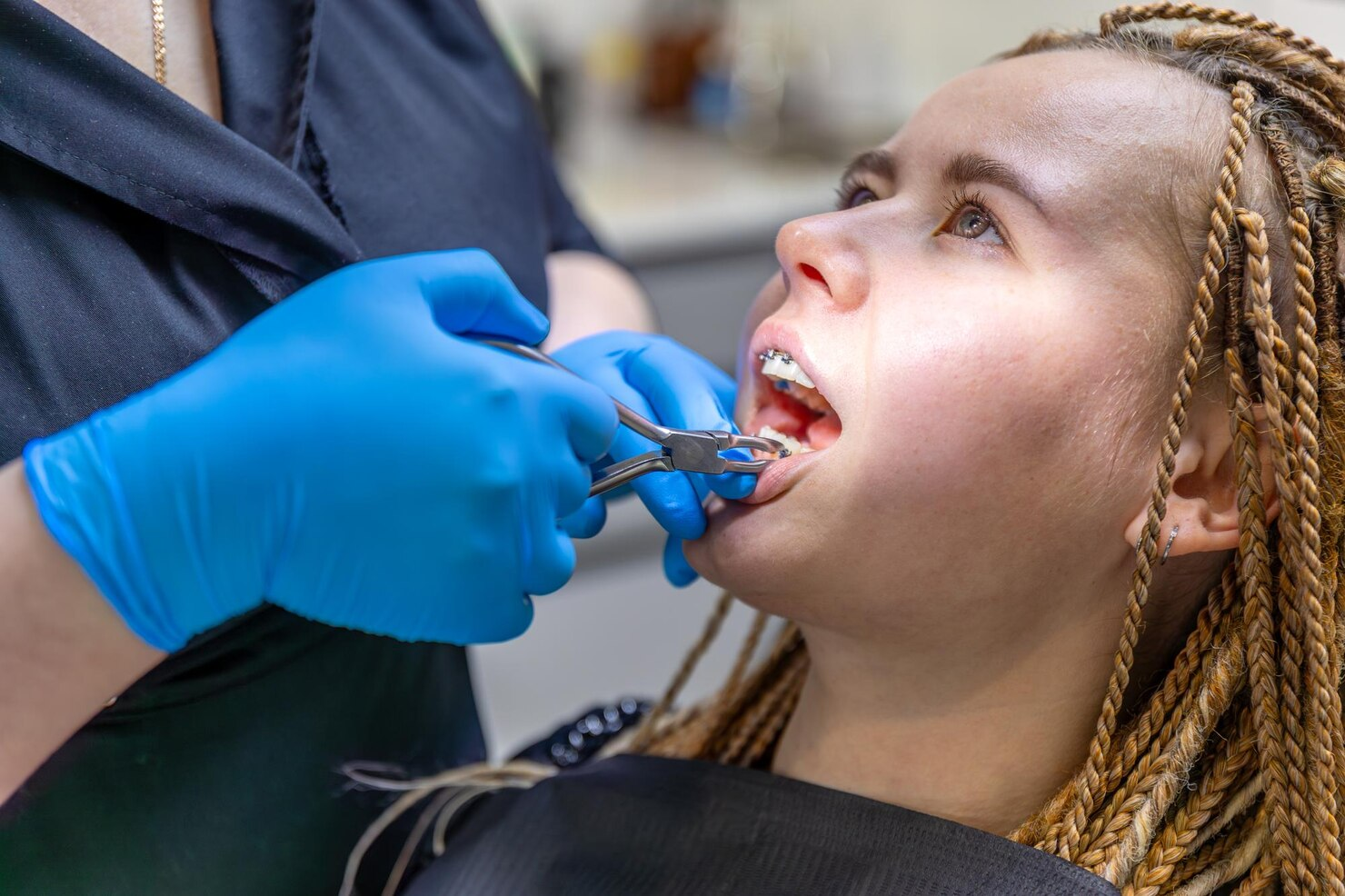

Parents often wonder whether their child’s bite, jaw growth, crowding, or spacing should be treated early or monitored over time. Some children benefit from early care, while others simply need growth checks until more permanent teeth come in.
At Altera Orthodontics in Royersford, PA, Two-Phase Orthodontics focuses on identifying developing concerns at the right time. An experienced orthodontist could help determine whether your child may need early treatment, future monitoring, or a later phase of orthodontic care.
Two-phase orthodontics is a treatment approach that separates care into two stages. Phase I, also called early interceptive treatment, usually happens while a child is still growing and has a mix of baby and permanent teeth. Phase II usually happens later, once more permanent teeth have erupted.
Not every child needs Phase I treatment. For many children, observation is the most appropriate recommendation until growth or tooth eruption shows that treatment may be helpful.
During an evaluation, Dr. Hashemi may monitor:
The goal is not simply to straighten teeth early. The goal is to understand your child’s growth, bite, and development so treatment can be recommended at the right time.

The American Association of Orthodontists recommends that children have their first orthodontic checkup around age 7. At this age, children usually have a mix of baby and permanent teeth, which can help with early evaluation.
Timing matters because certain appliances are designed to work during growth. For example, a palatal expander may be discussed when the upper jaw is narrow. A facemask may be discussed for some children with underbite tendencies, depending on age, growth, and diagnosis.
Phase I treatment may help with:
Dr. Hashemi will explain why any early treatment is recommended before moving forward. The goal is to recommend the most appropriate approach for your child’s growth, bite, and stage of development.

The specific procedure depends on the child’s bite, growth pattern, and tooth development. If Phase I treatment, also called early interceptive treatment, is recommended, the appliance or procedure should have a clear purpose.
Phase I procedures may include:
After Phase I treatment, many children enter a monitoring period. This is a normal part of two-phase orthodontics. It gives Dr. Hashemi time to watch growth and tooth eruption before deciding when Phase II treatment may be appropriate.
Many children who complete Phase I treatment still need Phase II treatment later. Phase II may include braces or clear aligners to refine tooth alignment and bite once more permanent teeth are present.

Early orthodontic care should feel clear, practical, and parent-friendly. The first step is understanding your child’s growth, bite, tooth eruption, and whether treatment is needed now or later.
To learn more about Two-Phase Orthodontics, schedule a complimentary consultation with Altera Orthodontics in Royersford, PA. We will review your child’s growth, bite, and tooth development, then explain what may make sense for their smile.
No. Many children do not need Phase I treatment. An age-7 screening helps determine whether your child needs early care, monitoring, or no treatment at that time.
Yes. Phase I treatment is also called early interceptive treatment because it may address certain orthodontic concerns while a child is still growing.
Appliances may help guide jaw growth, preserve space, support bite correction, or monitor development during Phase I. Options may include an expander, facemask, limited braces, holding arch, or habit support.
Many children who complete Phase I treatment still need Phase II treatment later, when more permanent teeth are present and the bite can be refined.