Some orthodontic problems involve the way the upper and lower teeth or jaws fit together. These bite relationships can affect the appearance of the smile, how the teeth meet, and how the jaws function during chewing.


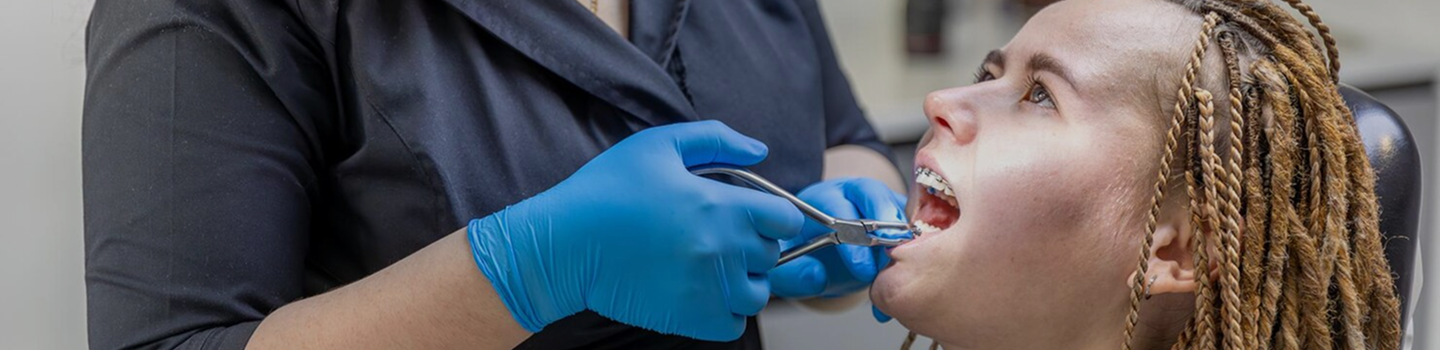
Many patients and parents notice that teeth or jaws do not seem to line up correctly, but they may not know what to call the problem. Crowding, spacing, bite concerns, and jaw relationship issues can affect children, teens, and adults in different ways.
At Altera Orthodontics in Royersford, PA, Common Orthodontic Problems are explained in a clear, visual way so patients can better understand what they may be seeing. An experienced orthodontist could help identify tooth alignment, bite, spacing, and jaw relationship concerns during an orthodontic evaluation.
A patient may also have more than one orthodontic problem at the same time. For example, crowding may appear with a crossbite, spacing may appear with a bite concern, or jaw relationship issues may occur with tooth-position problems.
Some orthodontic problems involve the way the upper and lower teeth or jaws fit together. These bite relationships can affect the appearance of the smile, how the teeth meet, and how the jaws function during chewing.
A Class II bite happens when the upper teeth or upper jaw sit ahead of the lower teeth or lower jaw. This may make the lower jaw appear set back or less balanced with the upper jaw.

A Class III bite happens when the lower teeth or lower jaw sit ahead of the upper teeth or upper jaw. In some cases, the upper jaw may appear underdeveloped compared with the lower jaw.
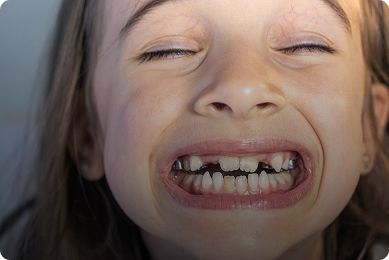
An open bite happens when the upper and lower teeth do not overlap or touch properly when the mouth is closed. This may affect the front teeth, back teeth, or both.
An anterior open bite involves the front teeth. A posterior open bite involves the back teeth.
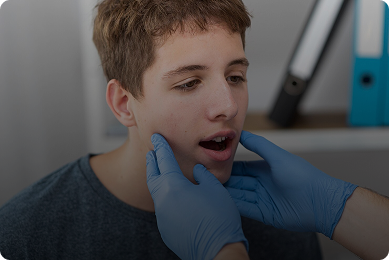
An anterior crossbite happens when one or more upper front teeth sit behind the lower front teeth when the teeth come together. This can affect how the front teeth meet and may be noticeable when a patient bites down or smiles.
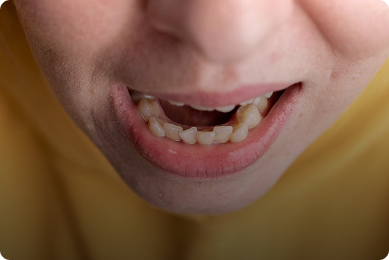
A posterior crossbite happens when the upper back teeth sit inside the lower back teeth. It may affect one side of the mouth or both sides and may be related to how the upper and lower jaws fit together.
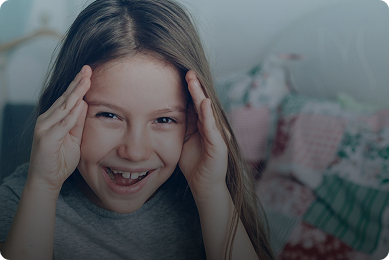
Some orthodontic problems are related to how much space is available for the teeth. These concerns may be easy to notice in photos because teeth may overlap, rotate, or have visible spaces between them.
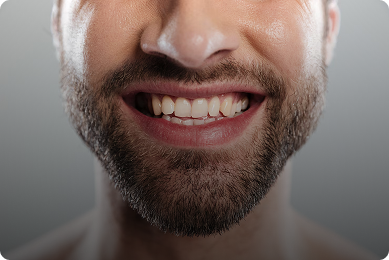
Crowding happens when there is not enough room for the teeth to line up evenly. Teeth may overlap, rotate, come in off track, or appear blocked by nearby teeth.
Crowding is one of the most common orthodontic problems and can occur in the front teeth, back teeth, or both.
Spacing happens when there are gaps between the teeth. Spaces may appear between the front teeth, back teeth, or throughout the mouth.
Spacing can be related to tooth size, jaw size, tooth shape, missing teeth, or how the teeth erupt.